


Stay Connected Instantly Get the Best Travel eSIM Before Your Next Trip
A travel eSIM is a digital SIM card you install on your phone before a trip, eliminating the need to hunt for local physical SIMs or pay exorbitant roaming fees. Once activated, it connects you to a local network in your destination, ensuring you have instant, affordable data for maps, messaging, and translation from the moment you land. This simple setup means you can stay in touch with loved ones and navigate unfamiliar places without the stress of searching for Wi-Fi or swapping out your primary SIM.
Why Your Next Trip Needs a Digital SIM Card
For your next trip, a travel eSIM eliminates the hunt for local SIM cards at airports or the risk of roaming charges. You purchase and activate a digital plan online before departure, connecting instantly upon landing. This means you keep your primary number active for calls while using the eSIM for data, avoiding the need to swap physical cards. Why your next trip needs a digital SIM card becomes clear when you need reliable mapping, translation, or ride-hailing apps immediately. It provides seamless connectivity across borders without buying a new physical card in each country. Simply scan a QR code to install, then choose a data plan that fits your itinerary.
The Hidden Costs of Roaming: What Carriers Don’t Tell You
The reality of international roaming extends far beyond advertised daily rates. Carriers often apply hidden surcharges for receiving calls, which can cost you per minute even if you never dial out. Background data syncing—from email or weather apps—triggers micro-charges that accumulate rapidly, sometimes exceeding your plan’s data allowance. A single voicemail notification via SMS might incur a text fee, while connection fees apply each time your phone re-registers on a foreign tower. These per-use costs vanish with a travel eSIM, as a single prepaid data profile eliminates surprise line items. Q: How do waived connection fees affect my bill? A: With a travel eSIM, there are no charges for network handoffs or incoming call overhead, so the only cost is the data you explicitly use.
Physical SIM vs. eSIM: Which Saves You More Headaches?
When traveling, the physical SIM creates headaches by requiring you to fumble with tiny trays, risking loss or damage, and hunting for local stores after landing. In contrast, an eSIM lets you activate coverage instantly online before departure, avoiding these logistics. With a physical SIM, you must swap back your home SIM upon return or risk losing it. An eSIM eliminates that chore by storing multiple profiles digitally, letting you switch between your home number and a travel plan with a simple setting change. This saves you from the stress of handling fragile hardware while navigating a foreign airport.
Physical SIMs risk loss and require manual swapping; eSIMs save headaches by offering instant, hassle-free digital activation and profile switching.
How to Choose the Right Mobile Data Plan Abroad
Picking the right travel eSIM starts with checking your phone’s compatibility—most newer models work, but older ones might not. Next, match the data allowance to your habits: a 1GB plan works for maps and messaging, while 5GB or more suits streaming. Always verify coverage in your specific destinations, not just the country. A short Q&A: How do you avoid bill shock? Choose a prepaid travel eSIM with a fixed data cap instead of pay-as-you-go roaming from your home carrier. Finally, look for plans that let you top up easily through an app, so you aren’t left stranded if you run out mid-trip.
Regional vs. Global Coverage: Mapping Your Needs to a Plan
When picking a travel eSIM, think about your actual journey. A regional eSIM plan is perfect for trips hopping between neighboring countries—like covering all of Europe or Southeast Asia in one go. You get seamless connectivity without buying separate plans for each border crossing. However, if your itinerary includes multiple continents (say, a layover in Dubai then a holiday in Brazil and Japan), a global plan prevents gaps in service. Global coverage costs more but saves the headache of switching eSIMs mid-trip. Always map your specific destinations first, then choose between cost-effective regional bundles or universal global access.
Match your eSIM to your route: regional plans for multi-country tours within one zone, global plans for cross-continental travel.
Data Caps, Speeds, and Validity: Decoding the Fine Print
When selecting a travel eSIM, decoding the fine print on data caps, speeds, and validity prevents frustrating surprises. First, confirm if your plan offers a strict data cap (e.g., 1GB) or a “soft” cap that throttles to unusable 128kbps speeds after exceeding the limit. Next, check the speed tier: “4G/LTE” often means reduced priority, resulting in slower real-world speeds than domestic users. Finally, validity periods can be deceptive—a “30-day” plan might activate upon purchase, not your first use, shrinking your actual window. To avoid traps, follow this sequence:
- Verify if the plan has a hard data cap or a throttled soft cap.
- Read the speed policy—prioritize plans with “full” or “unthrottled” speeds.
- Note the validity start date: from purchase, from first connection, or by calendar day.
Top Providers for Short Stays and Long Journeys Compared
For quick weekend getaways, Airalo’s regional passes are perfect, offering instant activation and cheap rates across a few countries. On longer trips, Holafly’s unlimited data excels, removing the stress of tracking megabytes for weeks on end. Similarly, Ubigi provides robust multi-month plans that won’t expire prematurely, ideal for slow travel. Avoid SIM chaos by matching the provider to your trip length.
- Pick Airalo for a single, fast week in one region.
- Choose Holafly for unlimited data over a multi-country month.
- Use Ubigi for long-term journeys needing a stable, big allowance.
- Match your plan’s validity to your return date to avoid waste.
Step-by-Step Setup Guide for a Seamless Connection
First, confirm your device is unlocked and compatible with eSIM technology, then purchase a travel eSIM plan from a trusted provider. You will receive a QR code or activation code; scan or enter it in your phone’s cellular settings, typically under “Add Cellular Plan.” After installation, designate the travel eSIM as your primary data line and disable your home SIM’s data roaming to avoid unexpected charges. The connection activates only when you reach your destination, so you can set it up from home without pressure. To finalize, enable data roaming specifically for the new eSIM profile, then verify service by sending a test message or loading a map.
Checking Your Phone’s Compatibility Before You Pack
Before departing, ensure your device supports eSIM by navigating to *Settings* > *Cellular* or *Mobile Data* to check for an “Add eSIM” option. Confirm your phone is carrier-unlocked; a locked device cannot activate a travel eSIM from a different provider. Verify that your phone model is listed on your eSIM provider’s compatibility list. Q: What if my phone doesn’t show an “Add eSIM” option? A: Your handset likely lacks eSIM hardware or is region-locked; consider a physical SIM alternative or upgrade to a compatible device before traveling.
Installing and Activating a Digital Profile in Minutes
Once you purchase your travel eSIM, you’ll get a QR code or link. Open your phone’s settings, tap “Add Cellular Plan,” and scan it. In minutes, your digital profile installs and activates automatically. After a quick restart, you’ll see your new data signal—no physical SIM swapping or store visits needed. Just toggle on data roaming, and you’re ready to explore. That’s it, you’re online instantly with a seamless local connection.
Install and activate your travel eSIM profile in just a few taps—no physical card, no hassle.
Managing Dual SIMs: Keeping Your Home Number Active
To manage dual SIMs while traveling, configure your home line exclusively for incoming SMS and calls on Wi-Fi. In your phone’s SIM manager, set the travel eSIM as the default for mobile data. Disable data roaming on your physical home SIM to avoid carrier fees, but keep the line active for two-factor authentication codes. On iPhone, enable “Allow Cellular Data Switching” under the travel eSIM’s settings to let it fall back to your home SIM only if the travel network fails. On Android, restrict the home SIM to 2G only if your device permits, ensuring it passively listens for SMS without leaking data.
Where Digital Roaming Outshines Traditional Options
Digital roaming with a travel eSIM outshines traditional options by delivering instant activation the moment you land, bypassing the hunt for physical SIM cards or store hours. Unlike expensive pay-as-you-go roaming from your home carrier, eSIMs let you pre-purchase local data plans with transparent pricing, eliminating surprise bills. A critical advantage is the ability to switch between multi-country networks without swapping cards, maintaining connectivity across borders. You keep your primary number active for calls and SMS using dual-SIM functionality, while the eSIM handles data—a flexibility physical roaming simply cannot match. Coverage is often superior, as eSIMs connect to strong local operators rather than relying on your home carrier’s patchy partner networks.
Navigating Remote Destinations with Reliable Coverage
For adventurers charting paths beyond city limits, a travel eSIM unlocks reliable coverage in remote destinations where traditional roaming fails. By connecting automatically to local networks upon landing, you bypass hunt-and-peck SIM swaps and costly signal drops. This ensures steady navigation through off-grid trails, mountain passes, or coastal routes, letting you stream maps and share location data without interruption. With instant activation and pay-as-you-go data, you maintain a digital lifeline even when surrounded by wilderness, turning unpredictable travel into a seamlessly connected expedition.
Switching Networks on the Fly for Better Rates
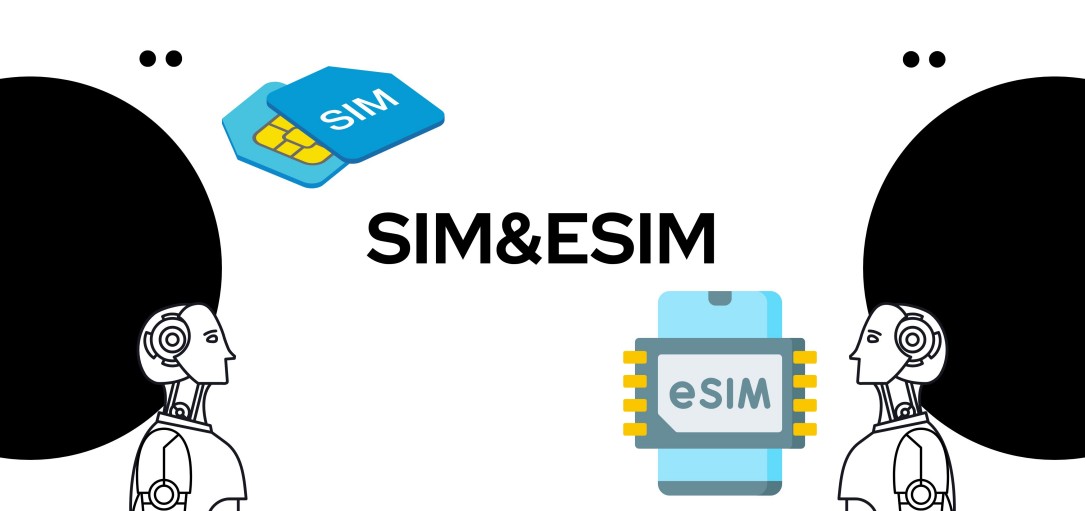
With a travel eSIM, switching networks on the fly for better rates lets you manually hop between local carriers directly from your phone settings. When one network becomes congested or offers a weaker signal, you can instantly select a different provider from your eSIM’s profile without removing your physical SIM. This real-time control ensures you always connect to the most affordable data plan or fastest available tower in your current area. Unlike a physical SIM locked to one network, this flexibility prevents overpaying for roaming on a slow or expensive carrier while abroad, optimizing both cost and speed per session.
| Aspect | Benefit in Travel eSIMs |
|---|---|
| Cost Control | Switch to a cheaper local network instantly |
| Signal Reliability | Bypass congested towers for stronger connectivity |
| Ease of Use | Change networks in device settings with no physical swap |
Overcoming Language Barriers with Instant Connectivity
With a travel eSIM, you’re never stranded by a language gap. Instant connectivity means you can pull up a translation app the second you land, pointing your camera at a menu or street sign for real-time text conversion. Even mumbled directions from a local become clear when you can quickly replay a voice translation. This beats fumbling through a phrasebook or hunting for café Wi-Fi after every question. The real strength is on-demand interpretation access, letting you hold basic conversations or read foreign scripts without pre-downloading anything. For daily confusion—ordering food, buying tickets—that always-on link dissolves the frustration fast.
Pitfalls to Avoid When Using a Virtual SIM Abroad

Using a travel eSIM abroad is convenient, but forgetting to disable your primary SIM’s data roaming can drain your bank account with carrier fees. Another pitfall is failing to download the eSIM profile before departure—without Wi-Fi, you’re stranded. Avoid assuming coverage maps are flawless; remote areas often have zero signal. Don’t ignore expiry dates or data caps mid-trip, lest you lose connectivity at a critical moment.
A key insight: never swap phones without first transferring the eSIM profile, as many are one-install only and can’t be recovered.
Always test your connection immediately upon landing to catch activation issues while still in airport Wi-Fi.
Battery Drain and Hotspot Limits: What to Expect
Using a virtual SIM abroad often means your phone works harder, scanning for networks, which can cause noticeable battery drain with travel eSIM. You might see battery life drop faster than usual, especially during the first day of setup. Also, many carriers enforce strict hotspot limits—don’t assume you can tether your laptop freely. Check your plan’s fine print; some restrict tethering completely or cap it at a few gigabytes. If you rely on sharing a connection, this could derail your workflow.
Expect faster battery drain from constant network searching and strict, often low data caps on hotspot tethering—verify both before you travel.
Common Activation Errors and How to Fix Them
A common activation error occurs when the eSIM profile fails to download due to a weak or unstable Wi-Fi connection; fix this by ensuring a strong network before initiating the download. Another frequent issue is the “No Service” error after installation, often caused by incorrect APN settings—manually input the provider’s APN details in your device’s mobile network settings. If you receive a “Profile Not Available” message, double-check that your device is unlocked and supports eSIM, then restart and attempt the download again. For correcting eSIM activation failures, always verify that you have not exceeded the eSIM storage limit on your phone, and delete any old, unused profiles first. If the activation code expires, contact support for a fresh QR code or manual entry data.
Briefly: Fix weak Wi-Fi, correct APN, unlock device, clear old eSIMs, and request fresh codes for failed activations.
Security Concerns: Keeping Your Data Safe on Foreign Networks
When using a travel eSIM on foreign networks, your data is vulnerable to interception on unsecured Wi-Fi or public hotspots. Encrypted network tunneling through a trusted VPN is essential to shield browsing activity and login credentials from local snoopers. To secure your connection, follow this sequence: first, disable automatic Wi-Fi joining on your device. Next, activate your VPN before using mobile data. Finally, avoid accessing banking apps or sensitive accounts unless connected via this encrypted tunnel. Never rely on a foreign carrier’s public Wi-Fi alone, as it can be a prime vector for man-in-the-middle attacks. Your travel eSIM’s data plan is only as safe as the network you choose to route it through.
Budget Hacks for Frequent Flyers and Digital Nomads
For frequent flyers and digital nomads, a travel eSIM is the ultimate budget hack, eliminating predatory roaming fees and the need to buy costly local SIMs in each new country. Pre-purchase a global or regional eSIM plan tailored to your itinerary to lock in the lowest rates, and always use data-only plans paired with free VoIP apps to slash voice costs. By skipping physical SIMs, you also avoid the hidden expense of time wasted hunting down local providers. This approach lets you allocate saved funds directly to better accommodation or experiences, making connectivity a tool for savings, not a recurring drain.
Stacking Local eSIM Deals for Multi-Country Itineraries
For multi-country trips, avoid costly regional passes by stacking local eSIM deals per destination. Purchase a 7-day data-only eSIM for Spain, then a budget-friendly local plan for Morocco, bypassing roaming fees entirely. This tactic lets you switch providers in minutes via QR codes, paying only for active usage. **Q: Will stacking multiple local eSIMs drain battery?** A: No, because you deactivate one profile before activating the next, keeping only one network active at a time to preserve power and manage costs.

Prepaid vs. Pay-As-You-Go: Which Saves More Cash?

For predictable, high-data usage, prepaid travel eSIM data bundles deliver lower per-GB costs. If your connectivity needs fluctuate daily, pay-as-you-go plans prevent paying for unused data, saving cash on low-usage days. Prepaid plans often expire after 30 days, penalizing longer trips. Pay-as-you-go credits usually roll over, offering better value for extended, variable travel.
| Aspect | Prepaid eSIM | Pay-As-You-Go eSIM |
| Best for | Consistent heavy browsing | Unpredictable, low usage |
| Cost efficiency | Lower per GB for large volumes | No waste on unused data |
| Expiry risk | Fixed term (e.g., 30 days) | Rollover credits possible |
| Future trips | Can be cheaper if usage patterns hold | Better for itinerant lifestyles |
Using Referral Codes and Bundles to Cut Costs
Referral codes offer a direct method to cut initial travel eSIM costs; applying a friend’s code at signup typically grants you an immediate $3–$10 credit, while the referrer earns a similar bonus. Bundling strategies further reduce per-MB rates. To maximize savings, follow this logical sequence:
- Leverage referral credits by stacking them with any new-user promotions offered by the provider.
- Evaluate regional or global data bundles instead of single-country plans, as they often amortize the base connection fee across multiple destinations.
- Combine short-term bundles with top-up layers, using a smaller data package for essential navigation and a separate voice-only bundle for calls.
This layered approach ensures you never pay for unused high-speed data while capturing every available discount.
Real-World User Experiences Across Different Continents
A traveler hopping from Tokyo to Nairobi finds their eSIM auto-connects to local carriers, delivering seamless 5G for maps in Japan but dropping to patchy 3G in remote Kenyan reserves, where locals rely on SMS. In Europe, a digital nomad experiences flawless coverage across Paris and Berlin, yet notes that rural Portuguese hillsides require a manual switch to a regional provider bundled in their global plan. Q: How do eSIMs handle spotty Andes coverage? A: Users report it fails; they pre-download offline maps and rely on hostel Wi-Fi for fallback.
Asia: High-Speed Coverage from Tokyo to Bali
For the Tokyo-to-Bali corridor, a travel eSIM ensures seamless high-speed connectivity across Asia’s fragmented networks. In Japan, 4G LTE consistently delivers sub-20ms latency for real-time transit apps and video streaming, while in Indonesia, speeds average 15–25 Mbps on Bali’s 5G-ready infrastructure. A common pitfall: coverage drops in Bali’s eastern regencies—Canggu and Jimbaran retain robust signals, but Ubud’s rural paths require a multi-network eSIM like Airalo’s Global Plan, which automatically switches between Telkomsel and Smartfren. For transit stops like Kuala Lumpur or Singapore, the same profile locks onto local towers (Maxis, Singtel) without manual reconfiguration, preserving throughput above 30 Mbps during layovers.
Europe: Crossing Borders Without Losing Signal
Traveling through Europe with a travel eSIM eliminates the need to swap physical SIMs at each border crossing. As you move from France to Germany, your connection seamlessly switches to a local network, avoiding the signal drop that plagues traditional roaming. This continuity is critical when navigating unfamiliar cities via maps or managing last-minute accommodation changes. The key advantage is seamless cross-border connectivity, as the eSIM’s automatic carrier selection ensures consistent data coverage across Schengen zones without manual reconfiguration. This makes multi-country itineraries feel unified under one data Singapore eSIM plan.
In Europe, a travel eSIM transforms disjointed roaming into a single, uninterrupted data session across borders.
The Americas: Urban Speed vs. Rural Reliability
Across The Americas, travel eSIM performance starkly splits between urban speed in cities like New York or São Paulo, where 5G downloads are blistering, versus rural reliability in the Andes or Alaskan backcountry, where connectivity often drops to patchy 3G or dead zones. Navigating this urban-rural eSIM divide requires picking a provider with strong multi-carrier roaming, as single-network plans fail outside metro corridors. For example, T-Mobile-based eSIMs excel in US cities but struggle in Montana, while Claro offers steadier coverage across scattered Brazilian villages. Q: How do I maintain data in remote US national parks? A: Choose an eSIM partnering with Verizon or AT&T alongside regional providers for broader tower access, not just urban-optimized networks.
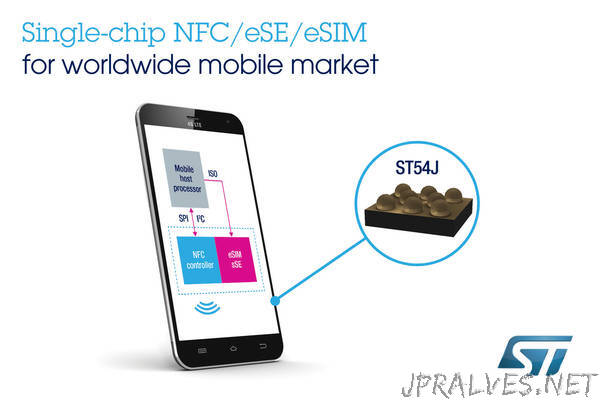
What Exactly Is a Travel eSIM and How Does It Work
The Core Difference Between a Physical SIM and an Embedded SIM
How Data Gets Delivered to Your Phone While Abroad
Key Benefits of Using a Digital SIM Card for International Trips
Instant Connectivity Without Hunting for Local Shops
Managing Multiple Plans on One Device
No Roaming Surprises or Hidden Fees
How to Choose the Right Plan for Your Destination
Matching Data Allowances to Your Usage Habits
Checking Regional Versus Country-Specific Coverage
Identifying Plans That Support Hotspot Tethering
Step-by-Step Setup Process for First-Time Users
Verifying Device Compatibility Before You Leave
Purchasing and Installing a QR Code or App-Based Profile
Switching Between Primary and Travel Data Lines
Practical Tips to Maximize Performance and Avoid Pitfalls
Activating Your eSIM Only After Arrival to Save Validity
Keeping Your Home Number Active for Two-Factor Authentication
What to Do If You Lose Signal Mid-Trip
